
If a patio chair rocks, start by checking the surface and visible condition with the chair unoccupied. Stop using a chair that seems unstable or damaged while you identify the concern. Follow the exact model’s instructions rather than improvising a shim or substituting hardware.
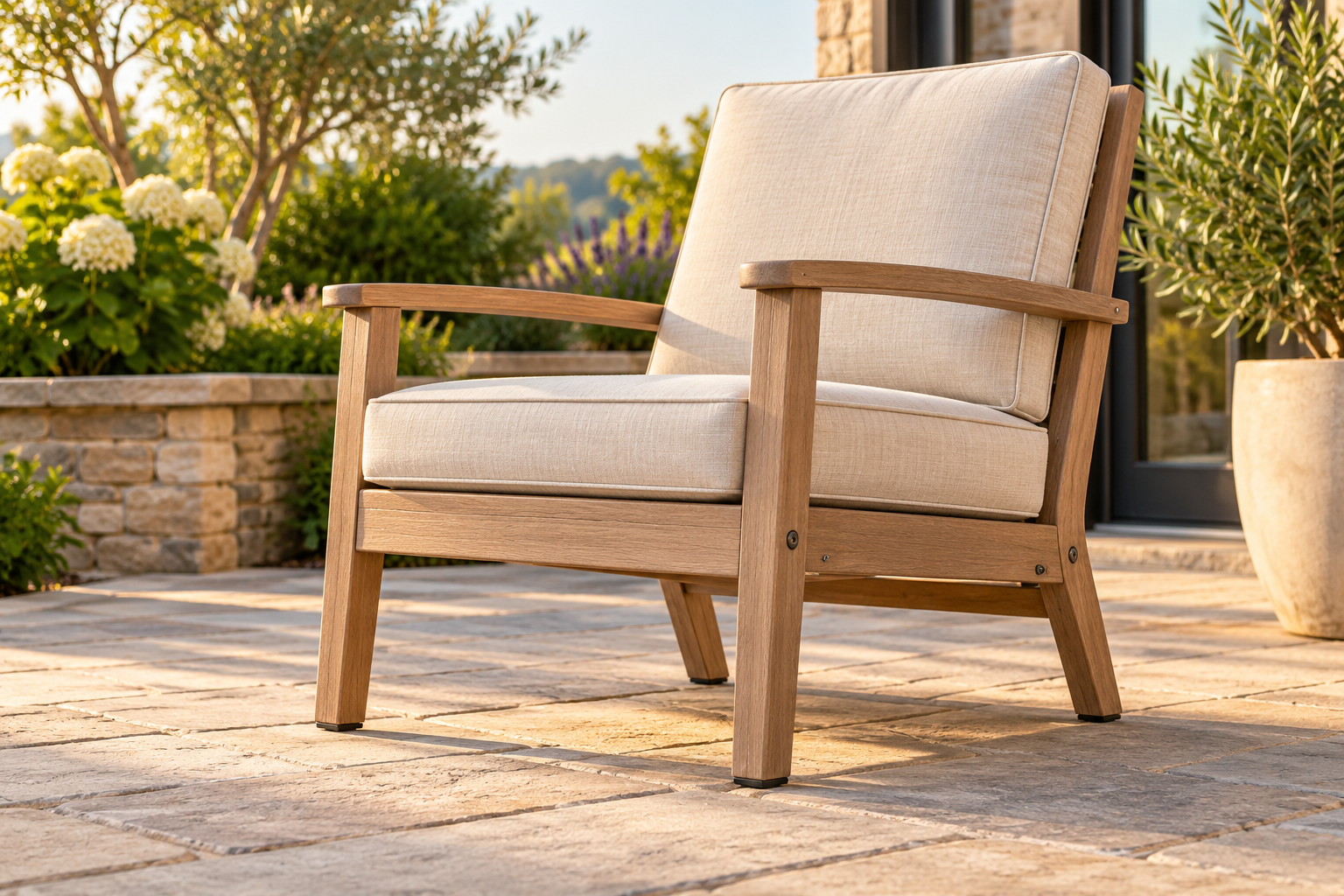
1. Look at the surface
Look at the ground beneath each foot. Uneven paving, deck boards or a sloped surface can affect contact. With the chair empty, note whether the same issue appears on another firm, level surface. Do not sit in or load-test an unstable chair.
2. Record visible condition
Look for a missing foot or cap, bent leg, crack, corrosion, a gap at a joint or hardware that appears missing. Take a wide photo and safe close-ups without forcing joints or parts. A visible symptom alone does not establish the cause.
3. Check the exact model
Find the manufacturer, model and complete assembly and care instructions. Products can specify different feet, fasteners and adjustments. For example, IKEA’s STEFAN chair instructions describe care for that model; they are not a repair procedure for a different patio chair. Ask the manufacturer about missing or damaged parts and check CPSC recall information for the exact product. Do not substitute hardware or improvise a shim.
4. Prepare an assembly assessment
Keep the model or product link, manual, clear photos and a note of the surfaces where you noticed the issue. For furniture assembly questions in Raleigh or the Triangle, send PR Handyman Services the details for a scope review. Suitability, replacement parts, price and timing depend on the actual item and require confirmation.